
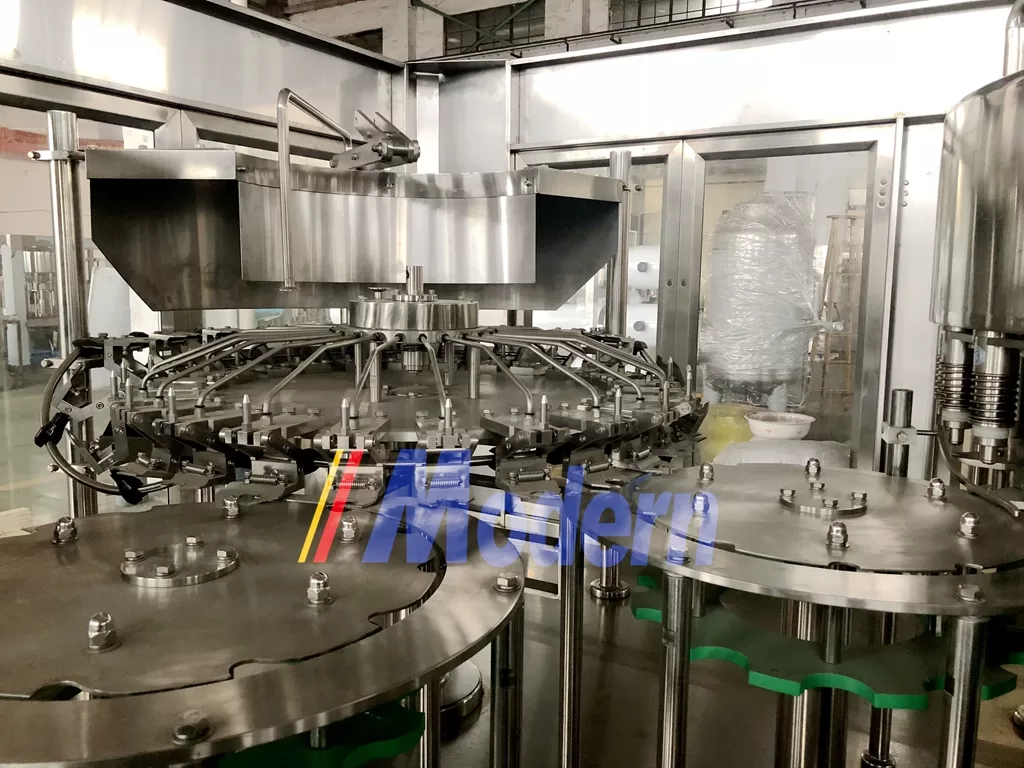
Na economia globalizada de hoje, a demanda por água engarrafada está em constante crescimento. Consequentemente, o mercado de máquinas de envase de água pura também se expandiu significativamente. Para empresas que buscam importar ou investir nessas máquinas, entender o cenário dos fornecedores de máquinas de envase de água pura é essencial. Este artigo explora as várias facetas de trabalhar com tais fornecedores e enfatiza considerações importantes tanto para iniciantes quanto para empresas experientes.
A Importância das Máquinas de Envase de Água Pura
As máquinas de envase de água pura são fundamentais na indústria de bebidas, particularmente para o engarrafamento de água. Elas ajudam a automatizar os processos de envase, fechamento e rotulagem, aumentando assim a eficiência e reduzindo os custos de mão de obra. Embora alguns produtores de pequena escala ainda possam depender de métodos manuais, empresas maiores se beneficiam imensamente da precisão, velocidade e limpeza que essas máquinas oferecem.
A importância de selecionar máquinas de alta qualidade não pode ser subestimada. Uma máquina de envase que funciona bem não apenas garante o controle de qualidade, mas também afeta a marca e a percepção de mercado do seu produto de água engarrafada.
Principais Recursos a Procurar em Máquinas de Envase de Água Pura
Ao avaliar potenciais fornecedores de máquinas de envase de água pura, vários recursos críticos devem ser avaliados:
1. Velocidade e Capacidade de Produção
A velocidade da máquina de envase é um fator crucial, particularmente para operações de alta demanda. Várias máquinas são projetadas com diferentes capacidades de produção, e é essencial escolher uma que se alinhe às suas necessidades operacionais. Um fornecedor deve fornecer dados sobre as métricas de desempenho da máquina, incluindo litros por hora, para ajudá-lo a avaliar sua eficiência em atender às demandas do seu mercado.
2. Compatibilidade com Tipos de Garrafas
Diferentes empresas podem usar vários tipos de garrafas, de plástico a vidro. Certifique-se de que a máquina de envase escolhida seja compatível com os tipos de garrafas que você planeja usar. Também é aconselhável perguntar sobre quaisquer capacidades de modificação na máquina, caso seu empreendimento se aventure em novos tipos de recipientes no futuro.
3. Padrões de Higiene e Facilidade de Limpeza
Na indústria de bebidas, manter a higiene é inegociável. As máquinas de envase de água pura devem ser projetadas com a higienização em mente. Procure recursos como corpos de aço inoxidável, fácil desmontagem para limpeza completa e processos automáticos de higienização. Os fornecedores devem fornecer documentação que comprove as certificações de que a máquina atende aos padrões de saúde e segurança.
4. Tecnologia e Automação
As máquinas de envase modernas empregam tecnologia avançada que melhora a consistência, reduz o desperdício e aprimora a interação do usuário. Fornecedores que oferecem máquinas com recursos programáveis, interfaces de tela sensível ao toque e conectividade IoT podem facilitar significativamente os processos de operação e monitoramento.
5. Suporte Pós-Venda e Manutenção
Escolha um fornecedor que ofereça um serviço pós-venda abrangente. Isso deve incluir suporte à instalação, verificações de manutenção de rotina e uma linha de atendimento ao cliente acessível para quaisquer problemas que possam surgir. Estabelecer um relacionamento com um fornecedor confiável pode significar a diferença entre a eficiência operacional a longo prazo e o tempo de inatividade inesperado.
Escolhendo o Fornecedor Certo: Considerações Principais
Construir uma parceria com o fornecedor certo de máquinas de envase de água pura é tão importante quanto a própria máquina. Aqui estão várias considerações para ajudá-lo a selecionar um parceiro ideal:
1. Reputação e Experiência do Fornecedor
Pesquise a reputação de seus potenciais fornecedores. Procure depoimentos e estudos de caso que exemplifiquem sua experiência no setor. Um fornecedor com um histórico de sucesso provavelmente entenderá os vários desafios que você pode enfrentar.
2. Qualidade do Produto e Certificações
A linha de produtos de cada fornecedor deve ser apoiada por certificações de qualidade apropriadas, como as normas ISO. Tais certificações indicam a adesão às normas do setor, minimizando os riscos associados a produtos inferiores.
3. Estruturas de Preços
Embora o custo não deva ser o único fator determinante, a estrutura de preços é inegavelmente essencial. Solicite orçamentos de vários fornecedores para obter uma visão sobre os preços médios de mercado. Tenha cuidado com preços que parecem muito baixos, pois podem indicar qualidade comprometida ou suporte insuficiente.
4. Comunicação e Atendimento ao Cliente
A comunicação eficaz é vital em qualquer relacionamento comercial. Seu fornecedor deve demonstrar um compromisso com o atendimento ao cliente, respondendo prontamente às consultas e acomodando suas necessidades. Realizar discussões iniciais pode fornecer uma visão sobre seu profissionalismo e disposição para ajudar.
O Cenário do Mercado Global
O mercado de máquinas de envase de água pura está se expandindo globalmente, com várias regiões produzindo e exportando máquinas ativamente. Entender as vantagens geográficas pode ajudar a otimizar o fornecimento:
1. Região da Ásia-Pacífico
A região da Ásia-Pacífico emergiu como um player significativo na fabricação de máquinas de processamento de bebidas. Com uma combinação de baixos custos de mão de obra e tecnologia avançada, muitas empresas acham vantajoso comprar de países como China e Índia.
2. Europa
Os fabricantes europeus geralmente se concentram na produção de máquinas de ponta equipadas com tecnologia de ponta. Embora geralmente mais caras, essas máquinas normalmente enfatizam a automação, a eficiência energética e padrões de produção mais elevados.
3. América do Norte
Na América do Norte, o foco se inclina para a inovação e a sustentabilidade. Os fornecedores geralmente fornecem máquinas projetadas com recursos ecológicos que minimizam o desperdício e reduzem os custos operacionais.
Desafios no Fornecimento de Máquinas de Envase de Água Pura
Embora encontrar o fornecedor certo para máquinas de envase de água pura possa parecer simples, vários desafios podem surgir:
1. Barreiras Linguísticas
Ao lidar com fornecedores de diferentes países, as diferenças de idioma podem levar a mal-entendidos. Utilizar serviços de tradução pode mitigar esse problema, garantindo uma comunicação clara.
2. Conformidade Regulatória
Cada país tem os seus próprios regulamentos para a produção de água engarrafada. Certifique-se de que as máquinas escolhidas cumprem tanto as normas do país de fabrico como as do seu mercado-alvo.
3. Logística de Importação
O envio e o manuseamento podem complicar a aquisição internacional. Compreender a logística envolvida, incluindo as alfândegas e os tempos de envio, é crucial ao planear o seu investimento.
Conclusão
Investir em máquinas de enchimento de água pura é um passo crítico para qualquer empresa na indústria de água engarrafada. À medida que navega pelos vários fornecedores e pelas complexidades desta decisão, compreender as características essenciais da máquina, escolher o fornecedor certo e abordar potenciais desafios garantirá que faz escolhas informadas para a sua empresa.
Ao priorizar a qualidade, os avanços tecnológicos e um excelente apoio ao cliente, as empresas podem posicionar-se para o sucesso neste mercado próspero. O seu investimento em máquinas de enchimento de água pura pode gerar retornos significativos quando aliado a um planeamento cuidadoso e a parcerias estratégicas dentro da indústria.


