
No cenário em constante evolução da indústria de bebidas, as linhas de fábrica de envase de sucos servem como a espinha dorsal para a produção, embalagem e distribuição de um dos produtos mais procurados: o suco. À medida que as preferências dos consumidores mudam para opções mais saudáveis, entender as complexidades das linhas de envase de sucos torna-se essencial para empresas que buscam otimizar operações e atender às demandas do mercado. Este artigo abordará vários aspectos das linhas de envase de sucos, incluindo componentes, tecnologia, eficiência e melhores práticas.
A Anatomia de uma Linha de Envase de Sucos
Uma linha de fábrica de envase de sucos consiste tipicamente em vários componentes críticos que trabalham em sincronia para garantir uma produção eficiente. Compreender o papel de cada elemento é crucial para uma gestão e otimização eficazes.
1. Preparação da Matéria-Prima
A primeira etapa no processo de produção de suco envolve o recebimento e a preparação das matérias-primas. Isso inclui lavar, classificar e, às vezes, extrair o suco de frutas e vegetais. As empresas precisam investir em equipamentos que limpem e processem eficientemente as matérias-primas para evitar contaminação e desperdício.
2. Pasteurização
A pasteurização é vital na produção de sucos, pois ajuda a prolongar a vida útil do produto enquanto mantém a qualidade. Esta etapa envolve aquecer o suco a uma temperatura específica para eliminar microrganismos nocivos. Os fabricantes devem escolher o método de pasteurização apropriado — como HTST (High-Temperature Short Time) ou UHT (Ultra-High Temperature) — com base na qualidade desejada do produto final e na estabilidade de prateleira.
3. Máquinas de Envase
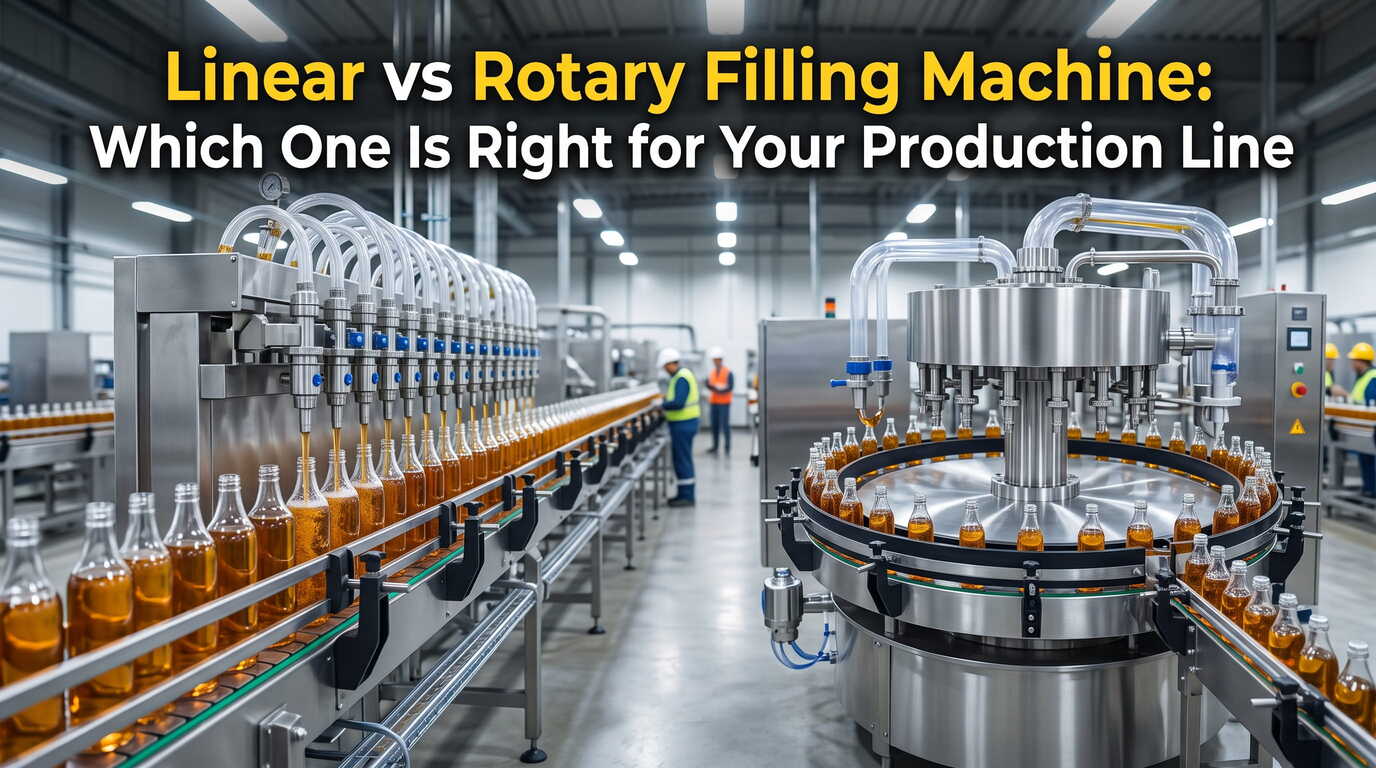
As máquinas de envase são o coração de qualquer linha de envase de sucos. Elas são projetadas para dispensar volumes precisos de suco em recipientes de maneira higiênica. Essas máquinas variam de acordo com a tecnologia — como envase por gravidade, por pressão ou a vácuo — e devem ser selecionadas de acordo com o tipo de suco sendo embalado e o recipiente utilizado. Máquinas de envase avançadas podem aumentar significativamente a velocidade e reduzir o desperdício, o que é vital para manter a lucratividade.
4. Tampagem e Vedação
Após o envase, o fechamento e a selagem adequados são essenciais para garantir a integridade do produto. As máquinas de fechamento utilizadas devem corresponder ao tipo de tampa empregado, sejam tampas de rosca, rolhas ou outras tecnologias de vedação. Além disso, o processo de selagem deve atender aos padrões de saúde e segurança para evitar contaminação.
5. Rotulagem
A rotulagem não se trata apenas de colocar um adesivo em uma garrafa; ela afeta o branding, a conformidade regulatória e a percepção do consumidor. Sistemas de rotulagem automatizados garantem que os produtos sejam rotulados com precisão e eficiência. Com os consumidores cada vez mais interessados em informações de saúde, incluindo conteúdo nutricional e listas de ingredientes, uma rotulagem clara torna-se fundamental para aumentar a comercialização.
Eficiência Operacional em Linhas de Envase de Sucos
Para permanecer competitivos no mercado de bebidas, os fabricantes de sucos devem focar em melhorar a eficiência operacional das linhas de envase. Aqui estão algumas estratégias práticas:
1. Treinamento e Desenvolvimento Contínuos
Investir no treinamento da equipe é crucial para manter uma força de trabalho qualificada que entenda tanto os aspectos mecânicos quanto operacionais da linha de envase. Sessões regulares de treinamento devem cobrir protocolos de segurança, operação de máquinas e medidas de controle de qualidade, levando à redução do tempo de inatividade e melhor desempenho.
2. Implementação de Princípios de Lean Manufacturing
Adotar princípios de manufatura enxuta (Lean Manufacturing) pode aumentar significativamente a eficiência da produção. Essa abordagem foca em minimizar o desperdício enquanto maximiza a produtividade. Inclui estratégias como o Mapeamento do Fluxo de Valor (VSM) para identificar gargalos e otimizar fluxos de trabalho.
3. Manutenção e Atualizações Regulares
A manutenção regular das máquinas ajuda a prevenir falhas inesperadas que podem levar a um tempo de inatividade dispendioso. Manter o equipamento em condições ideais garante que a linha de envase opere sem problemas. Além disso, atualizar para tecnologias modernas pode trazer maior eficiência e capacidades, alinhando a produção às necessidades atuais do mercado.
4. Integração de Automação e IA
A automação desempenha um papel significativo nas modernas linhas de envase de sucos, aumentando a velocidade e a eficiência, enquanto libera recursos humanos para tarefas mais complexas. Incorporar IA e aprendizado de máquina pode ajudar na manutenção preditiva, controle de qualidade e até mesmo na gestão da cadeia de suprimentos, permitindo que as empresas fiquem à frente das tendências de mercado.
Controle de Qualidade e Conformidade
Manter padrões de alta qualidade na produção de sucos não é negociável. Cumprir as regulamentações locais e internacionais garante que os produtos sejam seguros para consumo e atendam aos padrões de saúde exigidos. Aqui estão alguns aspectos-chave do controle de qualidade:
1. Auditorias Regulares de Qualidade
Realizar auditorias regulares de qualidade ajuda a identificar áreas para melhoria no processo de produção. Essas auditorias devem avaliar matérias-primas, processos de fabricação e produtos acabados para garantir a conformidade com os padrões estabelecidos.
2. Implementação de Princípios HACCP
A Análise de Perigos e Pontos Críticos de Controle (HACCP) é uma abordagem sistemática para a segurança alimentar. Implementar princípios HACCP na linha de fábrica de envase de sucos permite que os fabricantes identifiquem perigos potenciais e estabeleçam pontos críticos de controle para mitigar riscos.
3. Testes de Contaminantes
Testar contaminantes microbianos e químicos é essencial na indústria de sucos. A análise laboratorial regular de amostras ajuda a garantir que os produtos mantenham os padrões de segurança e cumpram os requisitos regulatórios.
Sustentabilidade Ambiental na Produção de Sucos
No mundo de hoje, espera-se cada vez mais que as empresas operem de forma sustentável. Implementar práticas ecologicamente corretas nas linhas de envase de sucos não apenas ajuda o meio ambiente, mas também pode melhorar a imagem da marca aos olhos dos consumidores.
1. Estratégias de Redução de Desperdício
Minimizar o desperdício por meio de uma gestão eficaz de recursos é um elemento crítico da sustentabilidade. Os fabricantes podem implementar processos para reaproveitar subprodutos, como usar polpa para ração animal ou compostagem.
2. Eficiência Energética
Investir em máquinas e processos de produção energeticamente eficientes pode reduzir significativamente a pegada de carbono de uma fábrica. As técnicas incluem otimizar processos de aquecimento e resfriamento e implementar sistemas de iluminação e condicionamento energeticamente eficientes.
3. Soluções de Embalagem Sustentável
Escolher embalagens ecologicamente corretas não apenas reduz o desperdício, mas também atrai consumidores conscientes. Opções como materiais biodegradáveis ou embalagens recicláveis podem melhorar significativamente a comercialização de uma empresa.
O Futuro da Tecnologia de Linhas de Envase de Sucos
A indústria de envase de sucos está à beira de uma transformação impulsionada principalmente por avanços tecnológicos. Aqui estão algumas tendências emergentes:
1. Integração da Internet das Coisas (IoT)
A integração da tecnologia IoT nas linhas de envase de sucos permitirá que os fabricantes monitorem os equipamentos em tempo real, garantindo a detecção imediata de problemas mecânicos. Essa abordagem proativa aumentará a eficiência e reduzirá as perdas de produção.
2. Blockchain para Rastreabilidade
Com uma ênfase crescente na rastreabilidade dos alimentos, a tecnologia blockchain pode aumentar a transparência na cadeia de suprimentos. Isso garante que os consumidores tenham acesso a informações precisas sobre a origem dos ingredientes e os processos de produção.
3. Foco em Sucos Funcionais
A preferência do consumidor está mudando para bebidas funcionais que oferecem benefícios à saúde. Os produtores de sucos precisam se adaptar incorporando superalimentos e suplementos aos seus produtos, garantindo que eles possam ser integrados de forma eficiente aos processos de envase existentes.
Conclusão
A linha de fábrica de envase de sucos não é apenas uma unidade de produção; é um elemento crítico que pode determinar o sucesso ou o fracasso de uma marca de bebidas. Ao aproveitar a tecnologia moderna, focar na eficiência operacional, manter a qualidade e comprometer-se com a sustentabilidade, os fabricantes podem prosperar nesta indústria competitiva. À medida que o mercado continua a evoluir, investir em inovação e adaptabilidade será crucial para as empresas que aspiram liderar o segmento de sucos.
Em conclusão, compreender a dinâmica de uma linha de fábrica de envase de sucos equipa as empresas com os insights necessários para otimizar seus processos de forma eficaz, melhorar a qualidade do produto e atender às demandas cada vez maiores do consumidor preocupado com a saúde.