A indústria de bebidas está evoluindo rapidamente, com uma mudança significativa em direção à eficiência, sustentabilidade e preferências do consumidor. Entre os muitos avanços tecnológicos, as máquinas de enchimento e tampagem de sucos desempenham um papel fundamental para garantir a produtividade, a higiene e a qualidade na fabricação de sucos. Este artigo oferece uma exploração aprofundada dessas máquinas, discutindo suas funcionalidades, benefícios, tipos, melhores práticas e tendências futuras. Seja você um fabricante, distribuidor ou simplesmente interessado na indústria de bebidas, este guia fornecerá insights valiosos.
A Importância das Máquinas de Enchimento e Tampagem de Sucos
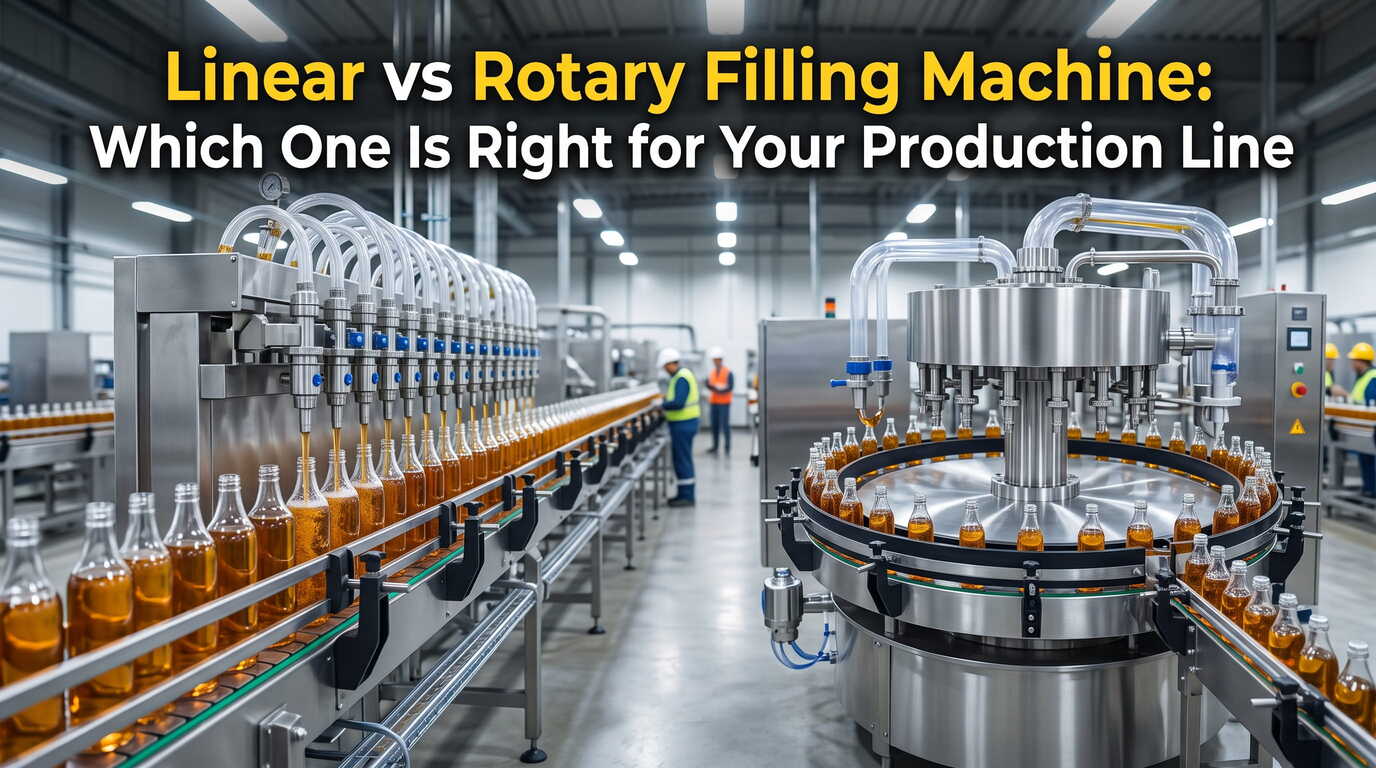
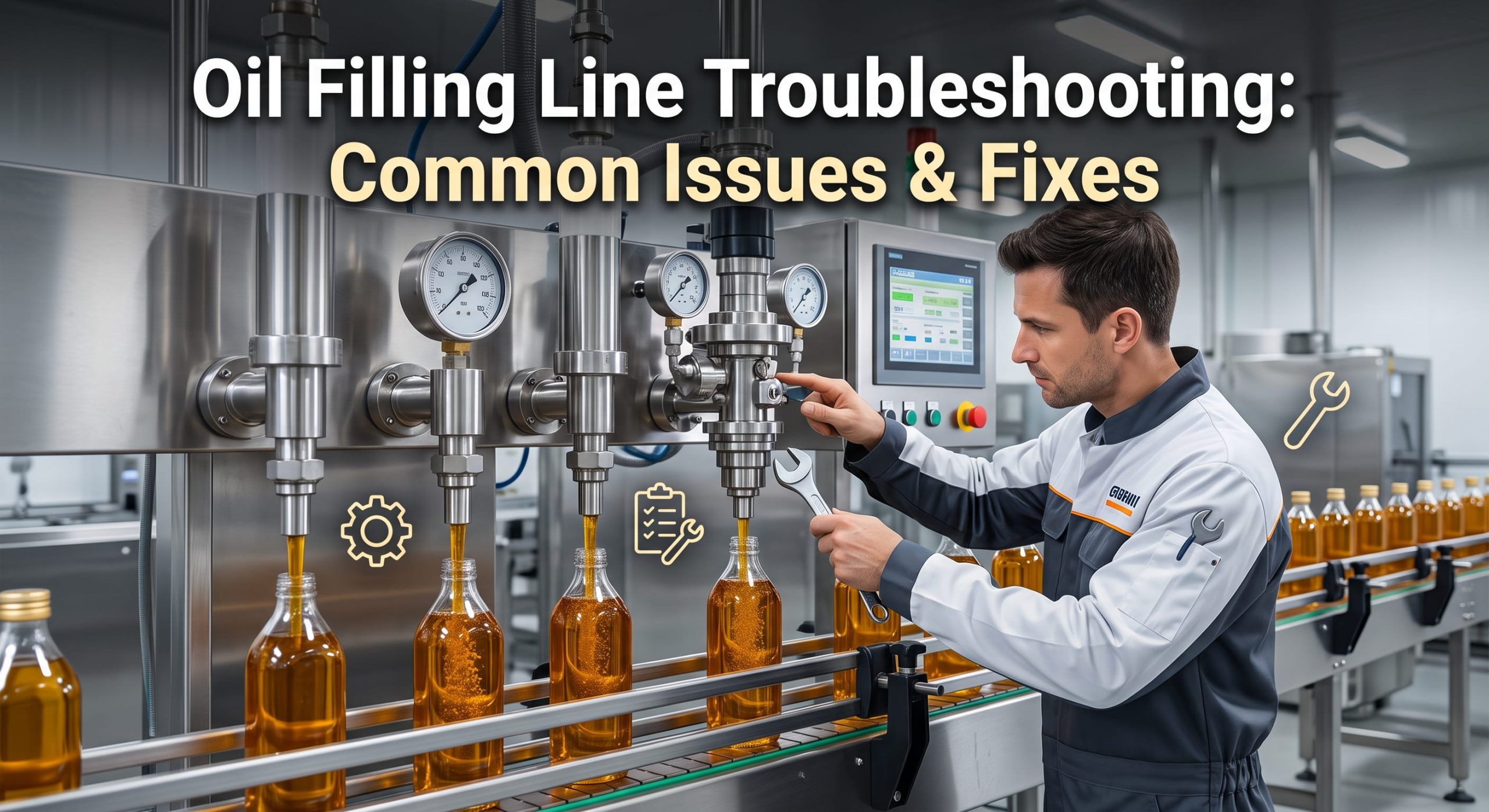
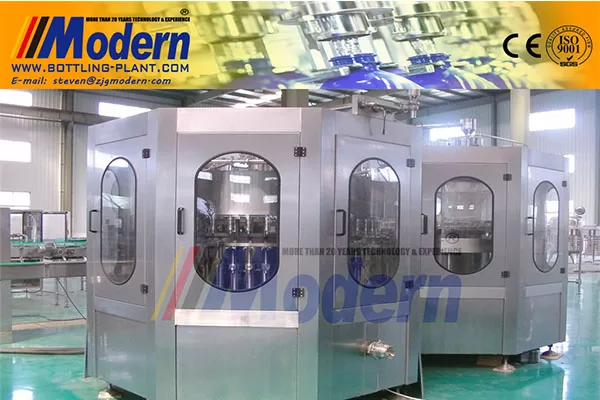
No setor moderno de bebidas, a demanda por sucos frescos e naturais continua a crescer, tornando os processos de produção eficientes cruciais. As máquinas de enchimento e tampagem de sucos otimizam as operações ao automatizar os processos de envase e vedação, que tradicionalmente dependiam fortemente de trabalho manual. A importância dessas máquinas não pode ser subestimada por vários motivos:
- Eficiência: A automação dos processos de enchimento e tampagem reduz significativamente os tempos de produção, permitindo que os fabricantes atendam a demandas de grande escala e de curto prazo de forma eficaz.
- Consistência: Com engenharia de precisão, essas máquinas garantem que cada garrafa seja preenchida até o mesmo nível e vedada com segurança, mantendo a integridade do produto.
- Higiene: Sistemas automatizados limitam o contato humano com os produtos, reduzindo o risco de contaminação e garantindo a conformidade com os regulamentos de segurança alimentar.
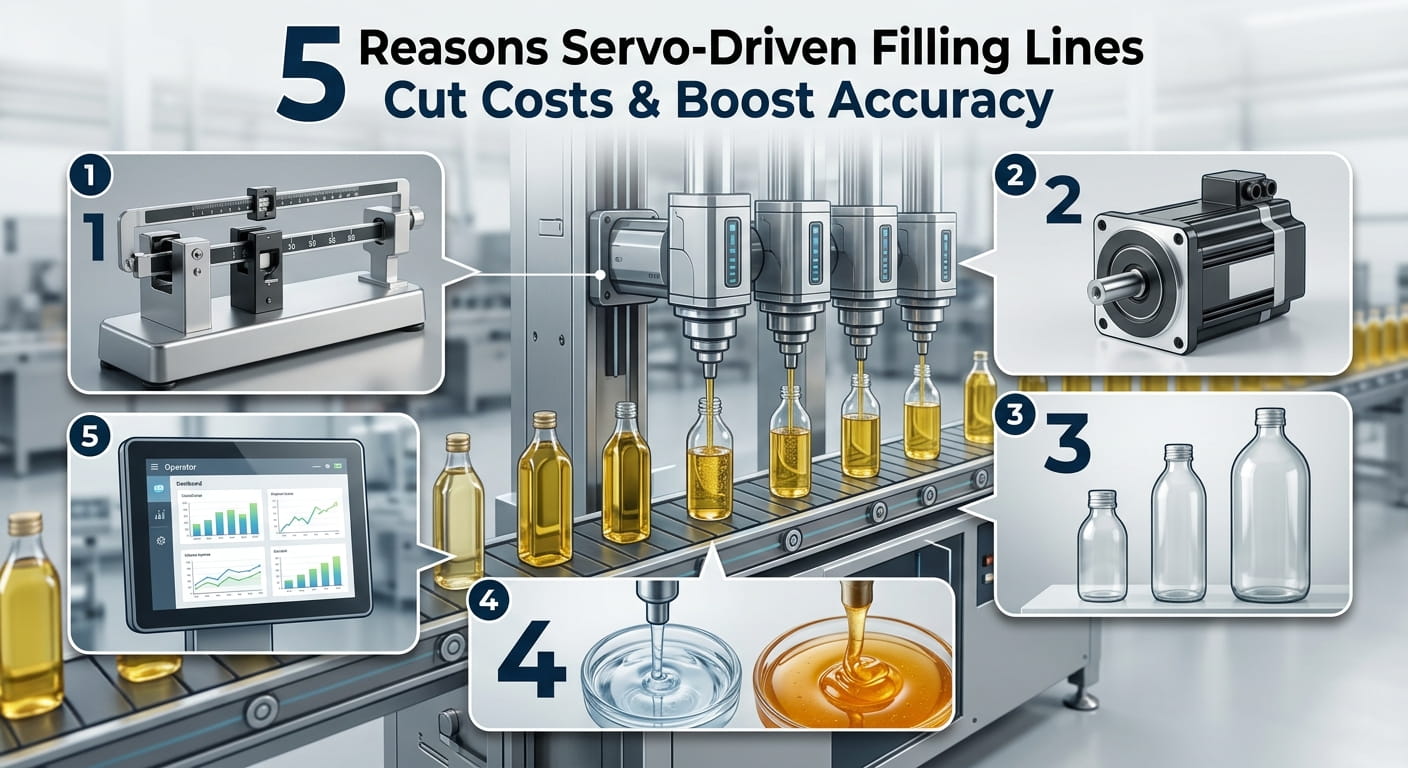
- Custo-benefício: Com o tempo, essas máquinas podem levar a economias substanciais por meio da redução de desperdícios, custos de mão de obra e taxas de produção mais rápidas.
Componentes das Máquinas de Enchimento e Tampagem de Sucos
Compreender os vários componentes que compõem as máquinas de enchimento e tampagem de sucos é essencial para tomar decisões de compra informadas. Os principais componentes geralmente incluem:
Mecanismo de Enchimento
O mecanismo de enchimento é responsável por dispensar o suco nos recipientes. Vários mecanismos são empregados, incluindo:
- Enchedoras de Pistão: Comumente usados para sucos mais espessos, os enchedores de pistão fornecem controle de volume preciso.
- Enchedoras por Gravidade: Adequados para líquidos mais finos, os enchedores por gravidade permitem que o suco flua para os recipientes utilizando a força gravitacional.
- Enchedoras a Vácuo: Ideais para produtos sensíveis, os enchedores a vácuo minimizam o risco de formação de espuma e garantem um enchimento mais preciso.
Mecanismo de Tampagem
Os mecanismos de tampagem fixam o fechamento do recipiente, o que é vital para manter o frescor. Os tipos comuns de tampagem incluem:
- Tampadoras de Rosca: Eles criam vedações roscadas ao girar as tampas com firmeza.
- Tampadoras de Coroa: Normalmente usadas para garrafas de vidro, essas máquinas aplicam coroas de metal por meio de uma vedação compressiva.
- Tampadoras de Pressão (Snap-On): Usadas principalmente para garrafas plásticas, oferecendo uma solução de vedação rápida.
Sistema de Controle
As máquinas modernas são equipadas com sistemas de controle avançados que permitem aos operadores monitorar e ajustar as configurações em tempo real. Esses sistemas geralmente apresentam:
- Interfaces de Tela Sensível ao Toque: Para uma interação amigável ao usuário.
- Controladores Lógicos Programáveis (CLPs): Para automação e controle de processos.
- Recursos de Registro de Dados: Para rastrear métricas de produção e garantir o controle de qualidade.
Tipos de Máquinas de Enchimento e Tampagem de Sucos
Existe uma variedade de máquinas de enchimento e tampagem de sucos disponíveis, cada uma projetada para atender a requisitos de produção específicos:
Máquinas Automáticas
As máquinas automáticas de enchimento e tampagem são projetadas para produção de alto volume. Elas exigem intervenção humana mínima e são ideais para grandes fabricantes que buscam maximizar a eficiência.
Máquinas Semiautomáticas
Essas máquinas combinam processos manuais e automáticos. Elas exigem algum envolvimento do operador, mas otimizam significativamente a fabricação em comparação com sistemas totalmente manuais, tornando-as ideais para operações de média escala.
Máquinas Manuais
Para operações de pequena escala ou empresas iniciantes, as máquinas manuais de enchimento e tampagem podem ser econômicas, mas exigem mais mão de obra e podem ser menos precisas. Elas são adequadas para produtores de sucos artesanais ou de nicho.
Melhores Práticas para Selecionar Máquinas de Enchimento e Tampagem de Sucos
Ao navegar pelo mundo das máquinas de enchimento e tampagem de sucos, os fabricantes devem considerar várias melhores práticas para garantir que seu investimento atenda às suas necessidades específicas:
Avalie o Volume de Produção
Compreender o seu volume de produção é vital. Volumes maiores podem justificar máquinas automáticas, enquanto produções menores podem beneficiar de opções semiautomáticas ou manuais. Considere também a escalabilidade e as projeções futuras.
Avalie as Características do Produto
A viscosidade, a temperatura e as propriedades químicas do sumo afetarão a escolha da tecnologia de enchimento. Por exemplo, sumos mais espessos podem exigir enchimentos de pistão, enquanto sumos sensíveis podem beneficiar da tecnologia de enchimento a vácuo.
Considere o Espaço e o Layout
Avalie o espaço disponível na sua unidade de produção. Certifique-se de que a área ocupada pela máquina se ajusta confortavelmente ao seu layout sem interromper o fluxo de trabalho. Além disso, considere a configuração para um crescimento futuro.
Orçamento vs. Custos a Longo Prazo
Embora os custos iniciais de compra sejam importantes, não se esqueça dos custos operacionais a longo prazo, incluindo manutenção, consumo de energia e formação da mão de obra. Por vezes, um investimento inicial mais elevado conduzirá a custos operacionais mais baixos ao longo do tempo.
Tendências Futuras na Tecnologia de Enchimento e Tampagem de Sumos
O panorama da tecnologia de enchimento e tampagem de sumos está em constante mudança. Manter-se informado sobre as tendências emergentes pode proporcionar vantagens competitivas:
Sustentabilidade e Respeito pelo Ambiente
À medida que as preferências dos consumidores se deslocam para a sustentabilidade, as máquinas que minimizam o desperdício e utilizam materiais recicláveis estão a ganhar força. Os fabricantes estão agora a concentrar-se na produção de máquinas com menor consumo de energia e componentes recicláveis ou biodegradáveis.
Integração de Tecnologia Inteligente
A Indústria 4.0 está a chegar à produção de bebidas, com as máquinas a incorporarem cada vez mais tecnologia IoT para melhorar a recolha de dados, a monitorização e a manutenção preditiva. Esta integração permite aos fabricantes otimizar a produção e reduzir o tempo de inatividade.
Personalização e Flexibilidade
Com a mudança nas preferências dos consumidores e o aumento de produtos de nicho, a flexibilidade nas linhas de produção é crucial. As máquinas modernas estão a ser concebidas para uma fácil reconfiguração, permitindo aos fabricantes alternar entre produtos com um tempo de inatividade mínimo.
Conclusão
A importância das máquinas de enchimento e tampagem de sumos na indústria de bebidas não pode ser subestimada. À medida que as empresas trabalham para satisfazer as crescentes exigências dos consumidores por qualidade e eficiência, compreender as complexidades destas máquinas é essencial. Ao avaliar as necessidades de produção, considerar as melhores práticas e manter-se informado sobre as tendências emergentes, os fabricantes podem tomar decisões informadas que melhorarão as suas capacidades de produção, garantindo que permanecem competitivos num mercado em constante evolução.
Em última análise, quer seja uma start-up ou um interveniente estabelecido na indústria de sumos, investir em máquinas de enchimento e tampagem sofisticadas e bem concebidas é um passo crítico para alcançar a excelência operacional.