Introdução
Na indústria de bebidas, garantir a segurança do produto é fundamental tanto para a saúde do consumidor quanto para a reputação da marca. Um aspecto crucial que desempenha um papel significativo na manutenção da segurança das bebidas é a manutenção preditiva. Essa abordagem proativa à manutenção de equipamentos não apenas aumenta a eficiência operacional, mas também minimiza os riscos associados à contaminação e a problemas de qualidade. Neste artigo, aprofundamo-nos na importância e nos benefícios da manutenção preditiva na manutenção dos padrões de segurança de bebidas.
Benefícios da manutenção preditiva na segurança de bebidas
A manutenção preditiva em instalações de produção de bebidas oferece várias vantagens que impactam diretamente a segurança e a qualidade do produto. Ao utilizar sistemas de monitoramento avançados e análise de dados, as empresas podem:
- Identificar e resolver proativamente possíveis falhas nos equipamentos antes que ocorram, evitando paradas inesperadas que poderiam comprometer a segurança do produto.
- Otimizar os cronogramas de manutenção com base em dados em tempo real, garantindo que os componentes críticos sejam revisados no momento certo para manter a integridade operacional.
- Reduzir a probabilidade de contaminação monitorando as métricas de desempenho dos equipamentos e detectando anomalias que poderiam levar a riscos de segurança.
- Aumentar a eficiência e a produtividade geral dos equipamentos, resultando em um processo de produção mais fluido e bebidas de maior qualidade para os consumidores.
Tipos de estratégias de manutenção preditiva
Existem vários tipos comuns de estratégias de manutenção preditiva usadas na indústria de bebidas para proteger a segurança do produto:
- Análise de vibração: Monitoramento das vibrações dos equipamentos para detectar anormalidades que possam indicar possíveis falhas.
- Termografia: Uso de câmeras infravermelhas para identificar componentes superaquecidos que podem representar riscos à segurança.
- Análise de óleo: Avaliação de amostras de lubrificante para determinar a integridade do equipamento e prever as necessidades de manutenção.
- Teste ultrassônico: Detecção de vazamentos ou defeitos nos equipamentos por meio de ondas sonoras ultrassônicas, garantindo a integridade operacional.
Aplicações da manutenção preditiva na produção de bebidas
A aplicação da manutenção preditiva em instalações de produção de bebidas estende-se a várias áreas, incluindo:
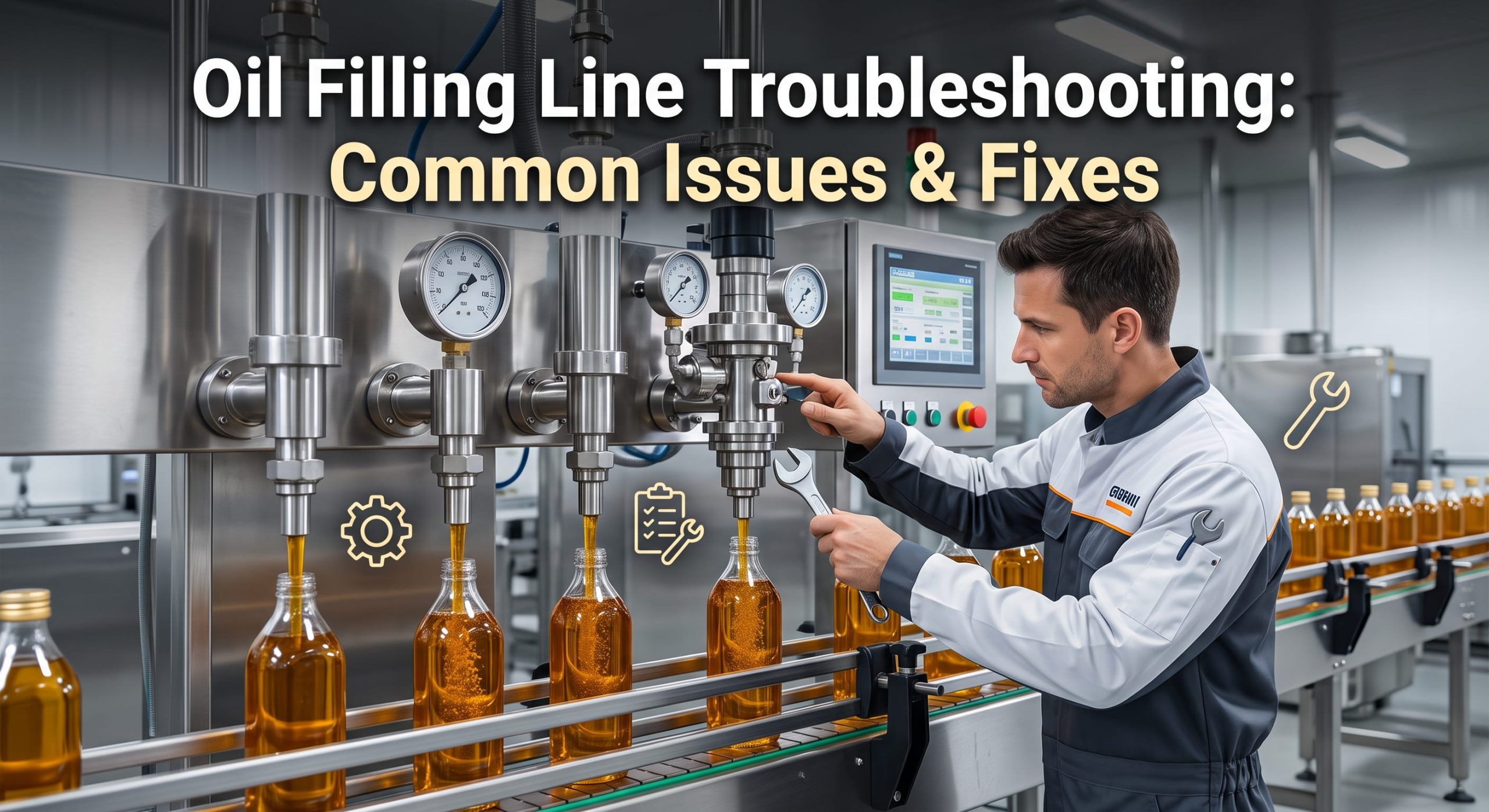
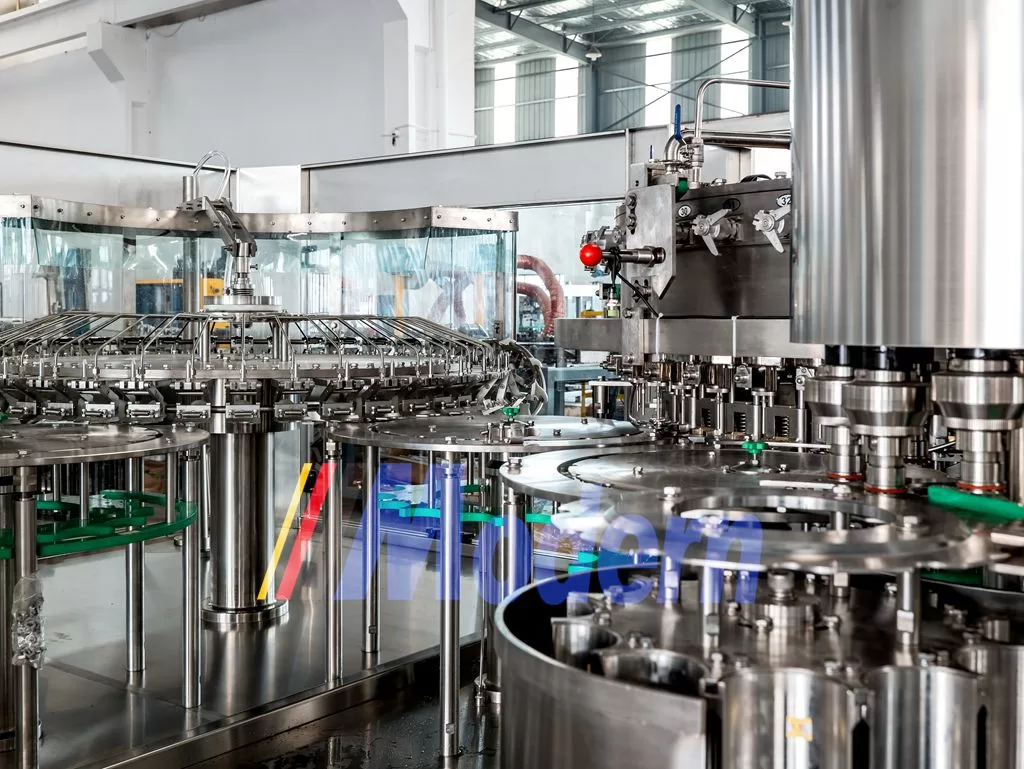
- Linhas de engarrafamento: Monitoramento de esteiras transportadoras, máquinas de envase e tampadoras para garantir operações fluidas e evitar gargalos.
- Sistemas de refrigeração: Manutenção de temperaturas ideais em unidades de refrigeração para evitar a deterioração e o crescimento bacteriano nas bebidas.
- Equipamentos de filtragem: Inspeção regular de filtros e membranas para garantir a remoção eficiente de contaminantes e patógenos das bebidas.
Melhores práticas para implementar a manutenção preditiva
Para maximizar a eficácia da manutenção preditiva na garantia da segurança das bebidas, as organizações devem seguir as seguintes melhores práticas:
- Investir em sensores habilitados para IoT e software de análise preditiva para coletar dados e insights em tempo real para estratégias de manutenção proativa.
- Estabelecer um cronograma de manutenção estruturado com base nas tendências de desempenho dos equipamentos e indicadores de manutenção preditiva.
- Treinar a equipe sobre a importância da manutenção preditiva e capacitá-la para identificar possíveis problemas precocemente.
- Revisar e refinar regularmente os processos de manutenção preditiva para se adaptar aos padrões da indústria em evolução e aos avanços tecnológicos.
Tendências de mercado e perspectivas futuras
À medida que a indústria de bebidas evolui, espera-se que a adoção de soluções de manutenção preditiva aumente constantemente. Com a integração de inteligência artificial e algoritmos de aprendizado de máquina, as empresas podem alcançar níveis mais altos de precisão preditiva e eficiência nas operações de manutenção. O futuro da segurança das bebidas reside em práticas de manutenção proativas que minimizam riscos e mantêm padrões de qualidade rigorosos.
Desafios e soluções
Apesar dos inúmeros benefícios da manutenção preditiva, desafios como custos de investimento inicial e complexidades de integração podem desencorajar algumas organizações de implementar essas soluções. No entanto, ao compreender as vantagens a longo prazo e a economia de custos associada à manutenção preditiva, as empresas podem superar esses obstáculos e priorizar a segurança e a integridade de seus produtos de bebidas.
Conclusão
Em conclusão, a manutenção preditiva desempenha um papel vital na garantia da segurança das bebidas, abordando proativamente os problemas dos equipamentos e minimizando os riscos de contaminação ou problemas de qualidade do produto. Ao adotar estratégias de manutenção avançadas e aproveitar a análise preditiva, os produtores de bebidas podem proteger a saúde do consumidor, cumprir os regulamentos do setor e manter uma vantagem competitiva no mercado global.
Este artigo explorou a importância da manutenção preditiva na segurança das bebidas, destacando seus benefícios, tipos, aplicações, melhores práticas, tendências de mercado, desafios e perspectivas futuras. À medida que a indústria de bebidas continua a evoluir, priorizar a manutenção preditiva é fundamental para entregar produtos seguros e de alta qualidade aos consumidores em todo o mundo.