
Na indústria de bebidas em constante evolução, a eficiência e a inovação são fundamentais. As máquinas de enchimento de latas de água surgiram como equipamentos vitais para fabricantes que buscam aumentar a capacidade de produção, manter a qualidade do produto e reduzir os custos com mão de obra. Este artigo analisa profundamente as complexidades das máquinas de enchimento de latas de água, abordando seus tipos, vantagens, critérios de seleção e tendências futuras. Ao longo do caminho, forneceremos insights acionáveis e conselhos práticos para empresas que desejam integrar essas máquinas em suas operações.
Entendendo as Máquinas de Enchimento de Latas de Água
As máquinas de enchimento de latas de água são equipamentos especializados projetados para o enchimento automatizado de vários tamanhos de recipientes com líquidos, principalmente água. As máquinas operam com base em princípios de automação, precisão e eficiência, o que não apenas acelera o processo de produção, mas também garante que o enchimento seja consistente e higiênico.
Essas máquinas são comumente empregadas na indústria de bebidas, particularmente em fábricas de engarrafamento, instalações de purificação de água e até mesmo em ambientes agrícolas onde o armazenamento de líquidos é necessário. Com a crescente demanda por água engarrafada e outras bebidas, a importância de ter uma máquina de enchimento confiável não pode ser subestimada.
Tipos de Máquinas de Enchimento de Latas de Água
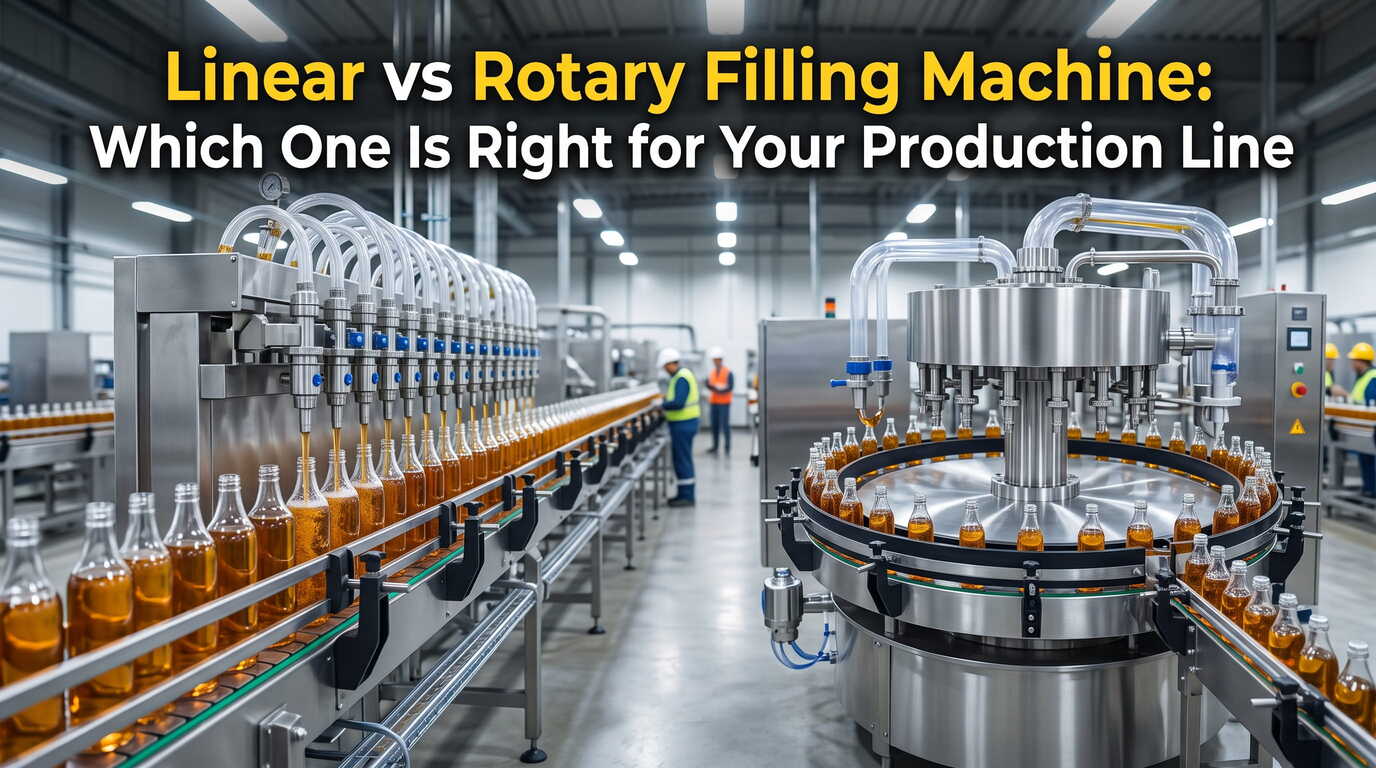
As máquinas de enchimento de latas de água vêm em várias formas, cada uma adequada para diferentes tipos de ambientes de produção e requisitos. Abaixo, exploramos os tipos mais comuns:
1. Máquinas de Enchimento por Gravidade
As máquinas de enchimento por gravidade utilizam a força da gravidade para encher os recipientes. Esses sistemas são frequentemente adequados para líquidos não viscosos, como a água. A máquina permite que o produto flua para dentro do recipiente até atingir um nível predefinido. As principais vantagens incluem simplicidade, menor custo e facilidade de manutenção.
2. Máquinas de envase por pressão
As máquinas de enchimento por pressão são projetadas para encher recipientes sob pressão, ajudando a evitar a formação de espuma e garantindo a velocidade máxima de enchimento. Este tipo é ideal para bebidas gaseificadas ou água com adição de gases. Elas normalmente têm custos iniciais mais altos, mas oferecem maior eficiência e velocidade, tornando-as ideais para operações em larga escala.
3. Máquinas de envase a vácuo
As máquinas de enchimento a vácuo empregam um mecanismo de vácuo para puxar o líquido para dentro do recipiente. Esta tecnologia é particularmente útil para produtos viscosos, embora também possa ser aplicada no enchimento de água para minimizar a espuma e o derramamento. Ela oferece alta precisão e é excelente para manter a integridade do produto.
4. Máquinas Automáticas de Enchimento de Garrafas e Latas
Essas máquinas são equipadas com robótica avançada e sensores para gerenciar o processo de enchimento de forma totalmente automatizada. Elas podem lidar com vários tamanhos de garrafas e latas, proporcionando flexibilidade para fabricantes que desejam diversificar suas linhas de produtos.
Vantagens de Usar Máquinas de Enchimento de Latas de Água
A integração de máquinas de enchimento de latas de água na produção de bebidas traz inúmeras vantagens:
1. Eficiência Aprimorada
As máquinas de enchimento automatizadas reduzem significativamente o tempo necessário para encher os recipientes em comparação com os métodos manuais. Máquinas de alta velocidade podem frequentemente encher milhares de galões por hora, o que é crucial para atender às crescentes demandas dos consumidores.
2. Controle de Qualidade Consistente
As máquinas de enchimento garantem uniformidade no processo de enchimento, minimizando o erro humano e mantendo uma qualidade consistente. As máquinas automatizadas são programadas para fornecer volumes precisos, garantindo que cada recipiente atenda às especificações.
3. Custo-Benefício
Ao automatizar o processo de enchimento, as empresas podem reduzir os custos de mão de obra e o risco de perda de produto. Além disso, as operações de alta velocidade reduzem as despesas gerais associadas ao enchimento de água, levando a uma maior lucratividade.
4. Higiene e Segurança
As máquinas de enchimento automáticas são projetadas com a higiene em mente. Elas geralmente vêm com componentes de aço inoxidável que são fáceis de limpar e manter. Além disso, os sistemas automatizados minimizam a interferência humana, reduzindo o risco de contaminação.
Escolhendo a Máquina de Enchimento de Latas de Água Certa
Selecionar a máquina de enchimento de latas de água apropriada requer uma consideração cuidadosa de vários fatores para garantir que ela se alinhe aos seus requisitos operacionais:
1. Volume de Produção
Avalie suas necessidades de produção cuidadosamente. Para cenários de alta demanda, investir em máquinas de alta velocidade é essencial. Por outro lado, a produção de menor volume pode se beneficiar de sistemas mais simples para reduzir custos.
2. Tipo de Líquido
Considere as características do líquido que está sendo envasado. Líquidos não viscosos podem utilizar máquinas de enchimento por gravidade, enquanto líquidos gaseificados ou mais viscosos podem exigir máquinas de enchimento por pressão ou vácuo.
3. Tamanho e Formato do Recipiente
A máquina de enchimento deve acomodar a variedade de tamanhos e formatos de recipientes que você pretende usar. Algumas máquinas oferecem mecanismos ajustáveis para lidar com várias configurações de recipientes para aumentar a versatilidade.
4. Nível de Automação
O nível de automação que você escolher dependerá do seu orçamento e das metas de eficiência operacional. Sistemas totalmente automatizados oferecem a maior eficiência, mas podem ter um preço mais alto, enquanto sistemas semiautomáticos oferecem mais flexibilidade a um custo menor.
Tendências Futuras na Tecnologia de Enchimento de Latas de Água
A indústria de bebidas está avançando rapidamente, e a tecnologia em torno das máquinas de enchimento de latas de água não é exceção. Aqui estão algumas tendências emergentes que podem moldar o futuro da tecnologia de enchimento:
1. Integração de Tecnologia Inteligente
Com a ascensão da Indústria 4.0, as máquinas de enchimento estão incorporando cada vez mais a tecnologia IoT. Máquinas inteligentes podem fornecer análises de dados em tempo real, permitindo um melhor monitoramento dos processos de produção e das necessidades de manutenção.
2. Práticas de Sustentabilidade
À medida que as empresas buscam a sustentabilidade, as máquinas de enchimento que utilizam práticas ecológicas — incluindo redução do consumo de energia e minimização de resíduos — estão se tornando mais críticas. Os fabricantes que investem na indústria de enchimento de latas de água provavelmente verão um aumento na demanda por tais tecnologias ecologicamente corretas.
3. Personalização e Sistemas Modulares
A flexibilidade nos processos de fabricação é essencial no mercado dinâmico de hoje. As máquinas de enchimento estão começando a oferecer designs modulares que permitem atualizações e modificações fáceis, permitindo que as empresas se adaptem às mudanças nos requisitos de produção mais rapidamente.
4. Protocolos de Segurança Aprimorados
Dado o foco crescente na higiene e segurança, os fabricantes provavelmente inovarão ainda mais para desenvolver sistemas que garantam um padrão mais elevado de limpeza e prevenção de contaminação nos processos de enchimento.
Conclusão
As máquinas de enchimento de latas de água desempenham um papel indispensável no cenário de produção de bebidas. Ao entender os diferentes tipos de máquinas, suas vantagens e como escolher a correta, as empresas podem aumentar sua eficiência operacional e a qualidade do produto. Ficar de olho nas tendências emergentes permitirá que as organizações permaneçam competitivas em uma indústria em constante mudança. Investir na máquina de enchimento de latas de água certa não é apenas uma decisão; é um movimento estratégico em direção ao crescimento futuro e ao sucesso no mercado de bebidas.