
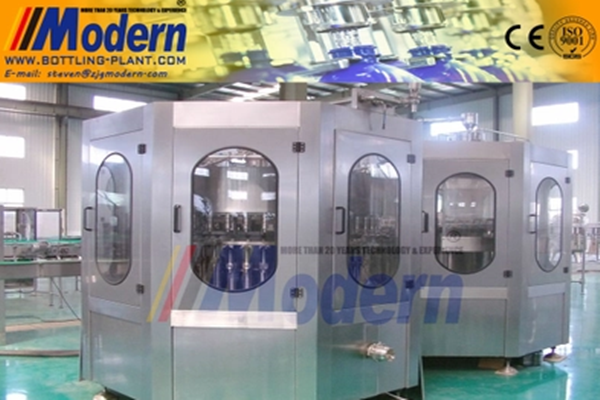
Em uma era marcada pela rápida industrialização e avanços tecnológicos, o processo de enchimento de latas evoluiu significativamente. Entre as várias soluções disponíveis, as máquinas de enchimento manual de latas destacam-se pela sua simplicidade, flexibilidade e eficácia. Este artigo visa fornecer uma visão geral abrangente das máquinas de enchimento manual de latas, discutindo a sua funcionalidade, vantagens, manutenção e melhores práticas, bem como as suas aplicações em diferentes setores.
1. Compreendendo as Máquinas de Enchimento Manual de Latas
As máquinas de enchimento manual de latas são equipamentos essenciais utilizados principalmente em operações de produção de pequena a média escala. Estas máquinas são projetadas para encher latas com líquidos, pastas ou pós com alta precisão e velocidade, atendendo a vários setores, como o de alimentos e bebidas, farmacêutico, cosmético e químico.
Tipicamente operadas por um operador qualificado, estas máquinas requerem suporte elétrico mínimo, tornando-as econômicas e fáceis de usar. Podem ser ajustadas para acomodar vários tamanhos de latas e volumes de enchimento, tornando-as uma ferramenta versátil para empresas envolvidas em produção de menor escala.
2. Principais Componentes das Máquinas de Enchimento Manual de Latas
As máquinas de enchimento manual de latas consistem em vários componentes cruciais que trabalham em sincronia para garantir um enchimento eficiente e preciso:
2.1 Bico de Enchimento
O bico de enchimento é responsável por transferir o produto do tanque de abastecimento para a lata. O design do bico pode variar com base na viscosidade do líquido a ser enchido, garantindo que acomode diferentes produtos, desde água até molhos espessos.
2.2 Sistema de Suporte de Latas
Este sistema mantém as latas no lugar, permitindo um enchimento mais fácil. Garante que as latas estejam alinhadas corretamente sob o bico de enchimento, o que minimiza derramamentos e desperdícios.
2.3 Mecanismos de Controle
As máquinas de enchimento manual de latas geralmente vêm com mecanismos de controle básicos que permitem aos operadores iniciar, parar e ajustar o processo de enchimento. Uma alavanca manual ou pedal é comum, oferecendo precisão e controle sobre o volume de enchimento.
2.4 Reservatório de Produto
Este componente armazena o líquido ou substância a ser enchido nas latas. É essencial que o reservatório seja fácil de limpar e reabastecer, garantindo um tempo de inatividade mínimo durante a operação.
3. Vantagens de Usar Máquinas de Enchimento Manual de Latas
Apesar da crescente sofisticação dos sistemas de enchimento automatizados, as máquinas de enchimento manual de latas oferecem várias vantagens que são particularmente atraentes para pequenas e médias empresas:
3.1 Custo-Benefício
As máquinas manuais normalmente requerem um investimento inicial menor em comparação com as suas contrapartes automáticas. Não necessitam de infraestrutura extensa ou configuração elétrica, tornando-as acessíveis para startups e pequenas empresas.
3.2 Flexibilidade e Personalização
Uma das vantagens significativas das máquinas de enchimento manual é a sua adaptabilidade. Os operadores podem alternar facilmente entre diferentes tamanhos de latas e tipos de produtos, permitindo que as empresas diversifiquem as suas ofertas de produtos sem modificações significativas no maquinário.
3.3 Facilidade de Manutenção
As máquinas de enchimento manual de latas geralmente apresentam designs mais simples, tornando-as mais fáceis de manter e reparar. Menos componentes significam que os operadores podem solucionar problemas rapidamente sem tempo de inatividade prolongado.
3.4 Controle Aprimorado
Os operadores têm controle direto sobre o processo de enchimento, o que pode levar a um enchimento mais preciso com redução de derramamentos. Este nível de controle manual é altamente benéfico ao lidar com produtos que exigem medições precisas.
4. Conselhos Práticos para Implementar Máquinas de Enchimento Manual de Latas
Ao considerar a implementação de uma máquina de enchimento manual de latas na sua operação, várias percepções práticas podem ajudar a otimizar o processo:
4.1 Escolha a Máquina Certa
Avalie cuidadosamente as suas necessidades de produção. Determine o volume de produto que espera encher, os tipos de produtos que utilizará e os tamanhos das latas. Investir em uma máquina que possa acomodar os seus requisitos proporcionará benefícios a longo prazo.
4.2 Treine os Operadores Completamente
Embora as máquinas manuais sejam geralmente fáceis de usar, o treinamento completo é fundamental. Os operadores devem entender os componentes da máquina, o processo de enchimento e os protocolos de manutenção para maximizar a eficiência e a segurança.
4.3 Verificações de Manutenção Regular
Estabeleça um cronograma de manutenção de rotina para manter a máquina em condições ideais. A limpeza e as inspeções regulares podem evitar que problemas significativos surjam, garantindo uma operação suave e a longevidade do equipamento.
4.4 Otimize o Fluxo de Trabalho
Analise o seu espaço de trabalho para identificar o melhor layout para a operação de enchimento de latas. Considere a colocação do reservatório de produto, da estação de enchimento e da área de embalagem para minimizar o movimento e acelerar o tempo de produção.
5. Aplicações de Máquinas de Enchimento Manual de Latas
As máquinas de enchimento manual de latas atendem a uma infinidade de setores, cada um com os seus requisitos exclusivos:
5.1 Indústria de Alimentos e Bebidas
Este setor emprega frequentemente máquinas de enchimento manual de latas para molhos, óleos, geleias e bebidas. Estes produtos geralmente exigem manuseio cuidadoso e enchimento preciso para garantir a qualidade e a conformidade com os regulamentos de segurança.
5.2 Setor Farmacêutico
No setor farmacêutico, as máquinas manuais de envase de latas podem ser utilizadas para encher recipientes com líquidos, pós e cremes. A precisão é crucial aqui, pois dosagens incorretas podem ter implicações graves para a saúde e a segurança.
5.3 Cosméticos e Cuidados Pessoais
Os fabricantes de cosméticos utilizam máquinas manuais de envase de latas para produtos como loções, cremes e sprays. A capacidade de personalizar os volumes de envase é particularmente vantajosa neste domínio.
5.4 Indústria Química
Para produtos químicos, a segurança é fundamental. As máquinas manuais de envase de latas podem ser projetadas com materiais especializados resistentes a substâncias corrosivas, permitindo assim o manuseio e o envase seguros de materiais perigosos.
6. Conclusão
As máquinas manuais de envase de latas oferecem uma solução inestimável para muitas empresas em diversos setores. Com seu custo-benefício, flexibilidade e facilidade de uso, elas são ideais para operações de pequena a média escala que buscam otimizar seus processos de produção sem se comprometer com sistemas automáticos caros. Ao compreender o funcionamento, as vantagens e as aplicações dessas máquinas, as empresas podem aproveitar seu potencial para aumentar a eficiência operacional e atender às demandas dos consumidores de forma eficaz.
Seja você uma pequena startup ou uma entidade estabelecida que busca diversificar suas capacidades de produção, investir em uma máquina manual de envase de latas pode ser uma decisão fundamental que moldará o futuro do seu negócio.


