No cenário competitivo do comércio global, as empresas que fabricam bebidas — de sucos a destilados — reconhecem a importância crítica de uma linha de produção de engarrafamento eficiente. Esta etapa crucial no ciclo de vida do produto não apenas impacta a eficiência operacional, mas também afeta a qualidade, a segurança e a prontidão do produto para o mercado. Este artigo explora as complexidades das linhas de produção de engarrafamento, as tecnologias envolvidas e as melhores práticas para otimizar o desempenho para oportunidades de comércio exterior.
Entendendo as Linhas de Produção de Engarrafamento
Uma linha de produção de engarrafamento é um conjunto sistemático de equipamentos e processos projetados para embalar produtos líquidos em garrafas, preparando-os para distribuição e venda. Essas linhas podem variar significativamente em complexidade, desde pequenas configurações manuais até operações totalmente automatizadas que processam milhares de garrafas por hora. Independentemente da escala, as etapas fundamentais incluem tipicamente:
- Preparação do produto
- Envase
- Tamponamento
- Rotulagem
- Controle de Qualidade
- Paletização e Embalagem
Componentes Principais de uma Linha de Produção de Engarrafamento
Compreender os principais componentes de uma linha de produção de engarrafamento pode aumentar significativamente sua eficiência. Aqui está uma visão detalhada de cada parte fundamental:
1. Preparação do Produto
Esta fase estabelece a base para o controle de qualidade no processo de engarrafamento. O produto deve ser filtrado, pasteurizado ou tratado de outra forma para garantir segurança e consistência. Nesta etapa, as empresas frequentemente empregam sistemas de filtragem avançados e pasteurizadores para eliminar contaminantes e estender a vida útil de seus produtos.
2. Máquinas de Envase
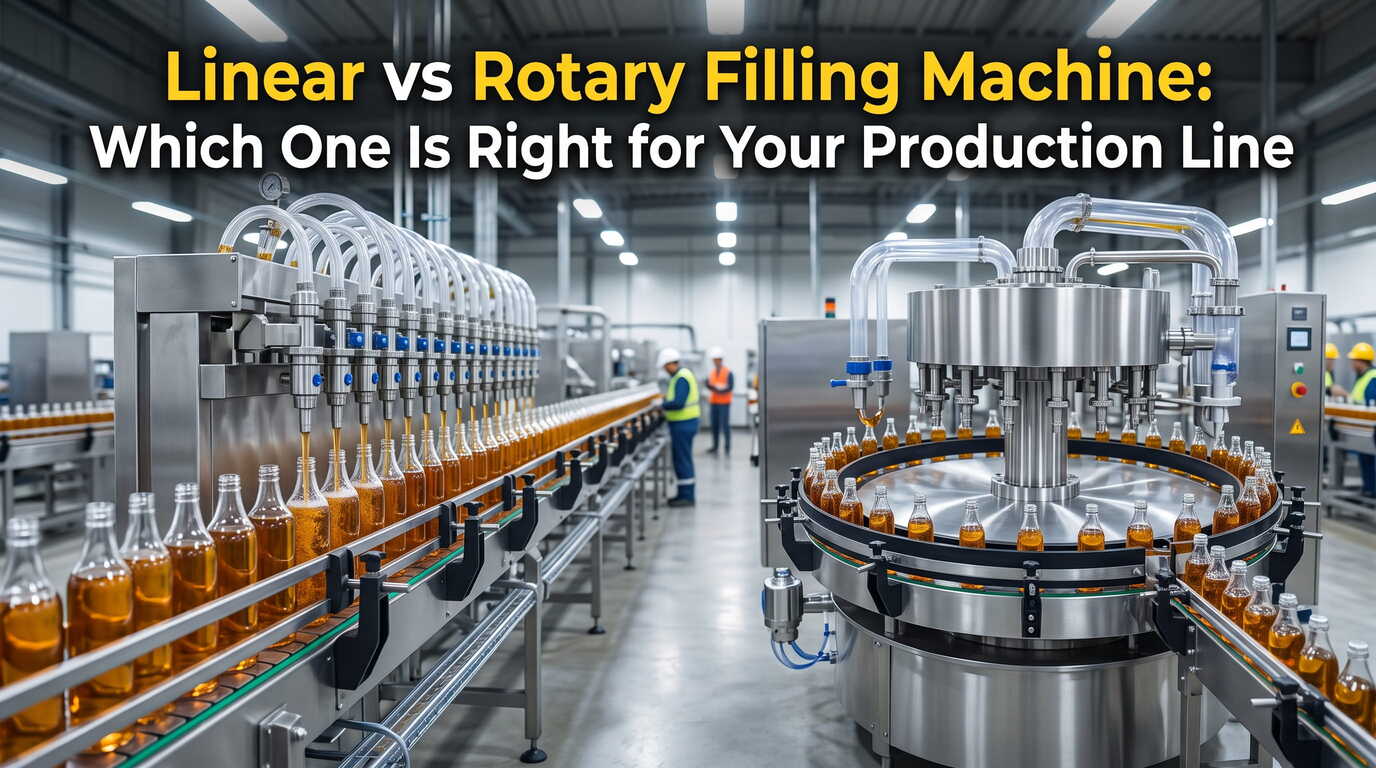
As máquinas de envase vêm em vários designs, atendendo a diferentes tipos de produtos (por exemplo, gaseificados vs. não gaseificados). Tipos comuns de tecnologia de envase incluem:
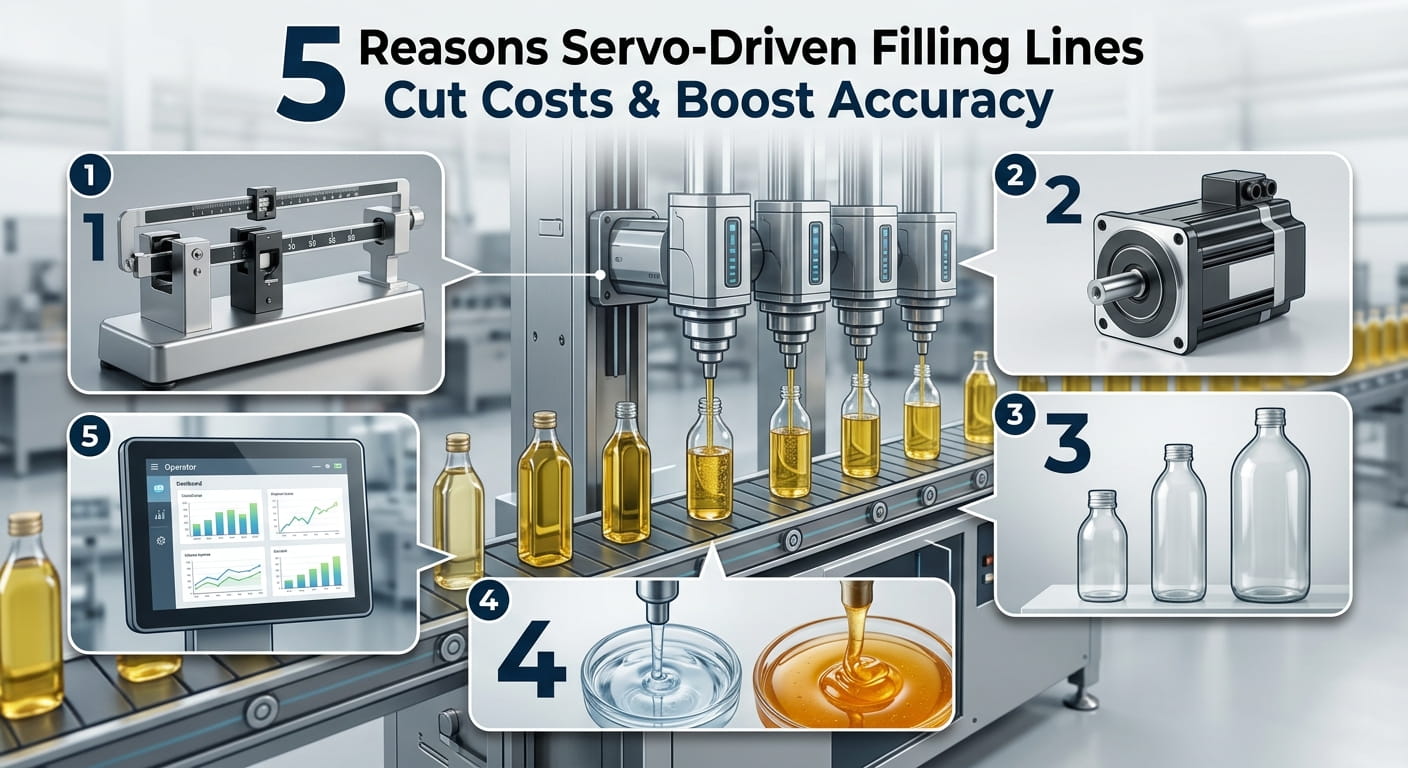
- Envase Gravimétrico: Mede o peso do líquido para um envase preciso.
- Envase volumétrico: Dispensa um volume específico de líquido em cada garrafa.
- Envase Pneumático: Usa pressão de ar para dispensar o líquido, ideal para produtos viscosos.
Escolher a máquina de envase certa depende de fatores como viscosidade do produto, tamanho da garrafa e volume de produção.
3. Máquinas de Fechamento (Tamponadoras)
Após o envase, é crucial selar as garrafas com segurança para manter a integridade do produto. As tecnologias de fechamento variam entre os tipos de tampas usadas (tampas de rosca, rolhas, etc.). Sistemas de fechamento avançados frequentemente incluem recursos de controle de torque que garantem que as tampas não fiquem nem muito soltas nem excessivamente apertadas, o que pode comprometer a vedação do produto ou danificar a garrafa.
4. Sistemas de Rotulagem
A rotulagem é um componente de marketing vital e um requisito regulatório. Máquinas de rotulagem automáticas aplicam e posicionam rótulos com um alto grau de precisão. A compatibilidade com vários tipos e formatos de rótulos é essencial, assim como a capacidade de integrar tecnologias de impressão para datas de validade e números de lote.
5. Controle de Qualidade
Nesta etapa crucial, os produtos passam por inspeção quanto aos níveis de envase, integridade da vedação e precisão do rótulo. A implementação de tecnologias avançadas, como sistemas de visão, ajuda a detectar problemas mais rapidamente do que inspeções manuais, reduzindo assim o desperdício e garantindo a conformidade com os padrões de qualidade.
6. Paletização e Embalagem
A etapa final de uma linha de engarrafamento envolve a organização dos produtos acabados em configurações de envio, geralmente usando sistemas de paletização robóticos. Essa automação reduz custos de mão de obra e riscos de lesões, ao mesmo tempo em que aumenta a velocidade e a eficiência no carregamento de remessas.
Otimizando sua Linha de Produção de Engarrafamento
Para maximizar a eficiência e a eficácia de uma linha de produção de engarrafamento, considere as seguintes estratégias acionáveis:
Invista em Automação
Automatizar várias etapas do processo de engarrafamento pode aumentar a velocidade, reduzir o erro humano e melhorar a consistência. Seja por meio de envase robótico ou fechamento automatizado, investir em tecnologias de automação pode gerar retornos significativos a longo prazo.
Implemente Manutenção Preventiva
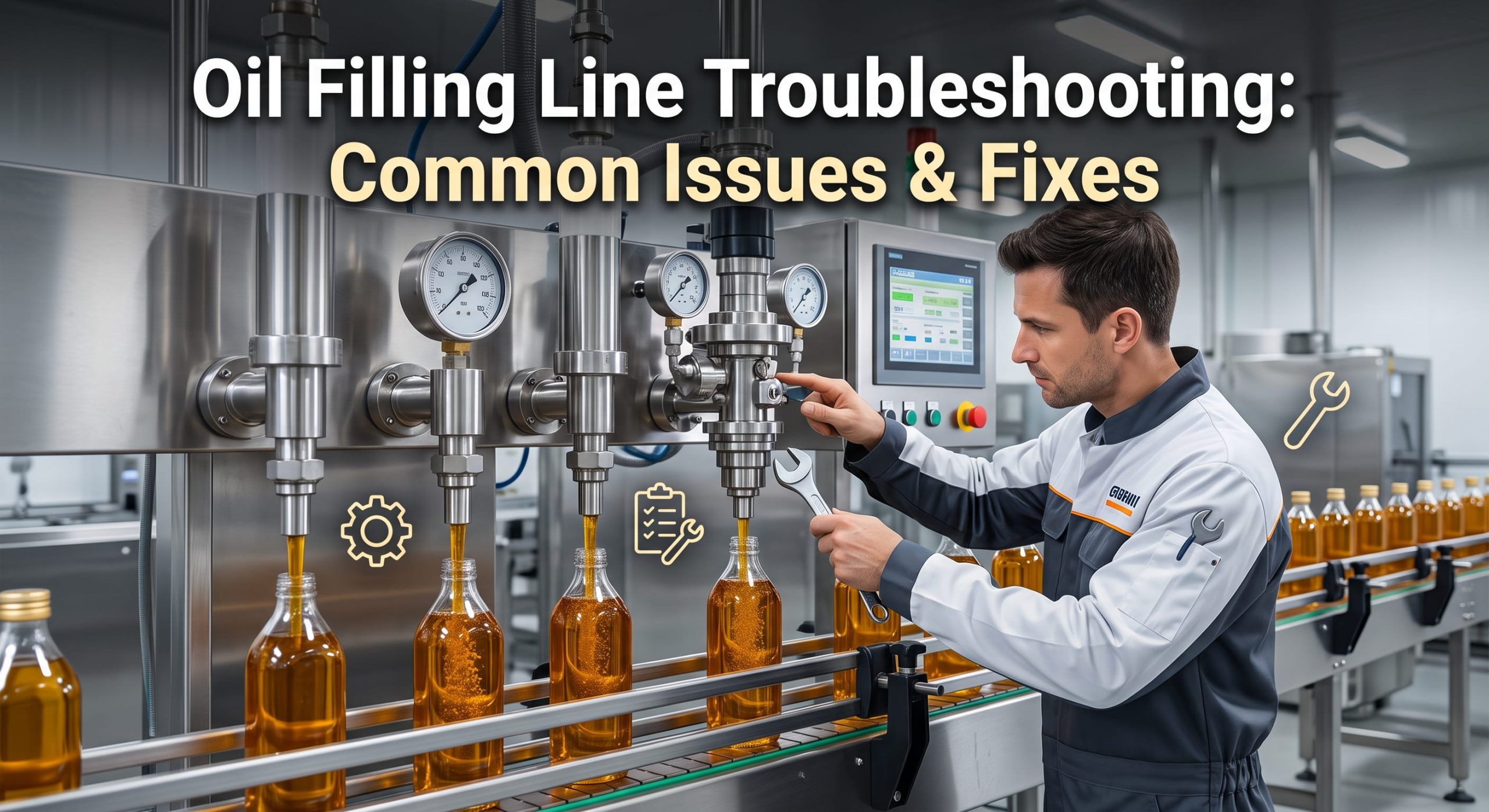
A manutenção regular do equipamento de engarrafamento é crucial para reduzir o tempo de inatividade e prolongar a vida útil do seu maquinário. Um cronograma de manutenção preventiva deve ser criado, incorporando verificações e substituições de componentes cruciais. Essa prática minimiza quebras inesperadas e aumenta a eficiência geral da linha de produção.
Adote a Sustentabilidade
Com a crescente conscientização global sobre questões ambientais, implementar práticas sustentáveis na produção de engarrafamento pode criar uma vantagem competitiva. Isso pode incluir a utilização de materiais recicláveis para embalagens, a redução do uso de água e energia ou a adoção de agentes de limpeza ecológicos.
Tomada de Decisão Baseada em Dados
Máquinas de engarrafamento modernas geralmente vêm com recursos de registro de dados. As empresas podem coletar e analisar dados de suas linhas de produção para identificar gargalos, prever necessidades de manutenção e aumentar o rendimento geral. A utilização de ferramentas de análise de dados permite que os líderes tomem decisões informadas que impulsionam a eficiência.
Conformidade e Considerações Regulatórias
Operar no setor de engarrafamento significa aderir a vários regulamentos internacionais de segurança e qualidade alimentar. A conformidade com esses padrões é crucial para entrar e ter sucesso em mercados estrangeiros. Aspectos regulatórios importantes a considerar incluem:
- Regulamentos de Rotulagem: Diferentes países têm requisitos diferentes sobre a rotulagem de produtos. Certifique-se de que todos os rótulos atendam aos regulamentos locais relativos a informações nutricionais, alérgenos e idioma.
- Garantia de Qualidade: A adesão aos padrões ISO 9001 e protocolos HACCP pode ajudar a manter padrões de produção de alta qualidade, garantindo a segurança alimentar.
- Regulamentos Ambientais: Diferentes regiões têm leis variadas sobre descarte de resíduos e impacto ambiental. É essencial entender e aderir a esses regulamentos para evitar penalidades legais.
Tendências Futuras na Produção de Engarrafamento
O futuro das linhas de produção de engarrafamento será provavelmente moldado por várias tendências:
1. Indústria 4.0
A integração de dispositivos da Internet das Coisas (IoT) em equipamentos de engarrafamento levará a linhas de produção mais inteligentes. Essa interconectividade permite monitoramento em tempo real, manutenção preditiva e maior eficiência operacional.
2. Personalização
Com as mudanças nas preferências dos consumidores, as empresas provavelmente verão um aumento na demanda por produtos personalizados. As linhas de engarrafamento estão evoluindo para acomodar lotes menores sem sacrificar a velocidade, facilitando a prototipagem rápida e as mudanças na produção.
3. Práticas Sustentáveis
À medida que a consciência do consumidor sobre a sustentabilidade cresce, espera-se que mais empresas adotem práticas mais ecológicas no engarrafamento. Isso pode incluir o uso de materiais biodegradáveis ou máquinas com eficiência energética.
Conclusão
Em conclusão, as linhas de produção de engarrafamento são um componente fundamental do processo de fabricação de bebidas. Compreender as suas complexidades — desde a seleção de máquinas até à conformidade — pode impactar significativamente o sucesso operacional e a competitividade de mercado de uma empresa. À medida que a indústria continua a evoluir, manter-se a par das últimas tendências e tecnologias será essencial para as empresas que procuram prosperar no cenário do comércio global. Ao focar na otimização, sustentabilidade e inovação, as empresas podem posicionar-se na vanguarda da indústria de engarrafamento, prontas para atender às demandas dos consumidores e navegar eficazmente pelos cenários regulatórios.