No mundo em rápida evolução da produção de alimentos e bebidas, manter a integridade do produto enquanto se maximiza a eficiência é de suma importância. Um elemento fundamental nesta área é a máquina de envase asséptico de sucos, um sistema meticulosamente projetado para melhorar a qualidade do suco, estender a vida útil e garantir a segurança ideal do consumidor. Este artigo analisa profundamente a anatomia das máquinas de envase asséptico de sucos, suas operações principais, vantagens e o crescimento futuro na indústria de sucos.
Compreendendo o Processamento Asséptico
O processamento asséptico é um método que envolve a esterilização do produto e da embalagem separadamente antes que entrem em contato. Este processo elimina a contaminação microbiana e evita a deterioração, o que é especialmente crítico na indústria de sucos, onde ingredientes naturais são usados sem conservantes. O processo de envase asséptico garante que o suco possa ser armazenado à temperatura ambiente, aumentando significativamente sua vida útil e reduzindo a necessidade de refrigeração.
Principais Componentes das Máquinas de Envase Asséptico de Sucos
Uma máquina de envase asséptico de sucos típica consiste em vários componentes cruciais que trabalham em uníssono para entregar produtos finais de alta qualidade:
1. Sistema de Esterilização
O sistema de esterilização é vital, pois garante que o suco esteja livre de patógenos antes de ser embalado. Isso pode ser alcançado através de métodos como nebulização de peróxido de hidrogênio ou esterilização a vapor, eliminando efetivamente os microrganismos sem comprometer o sabor ou o valor nutricional.
2. Sistema de Enchimento
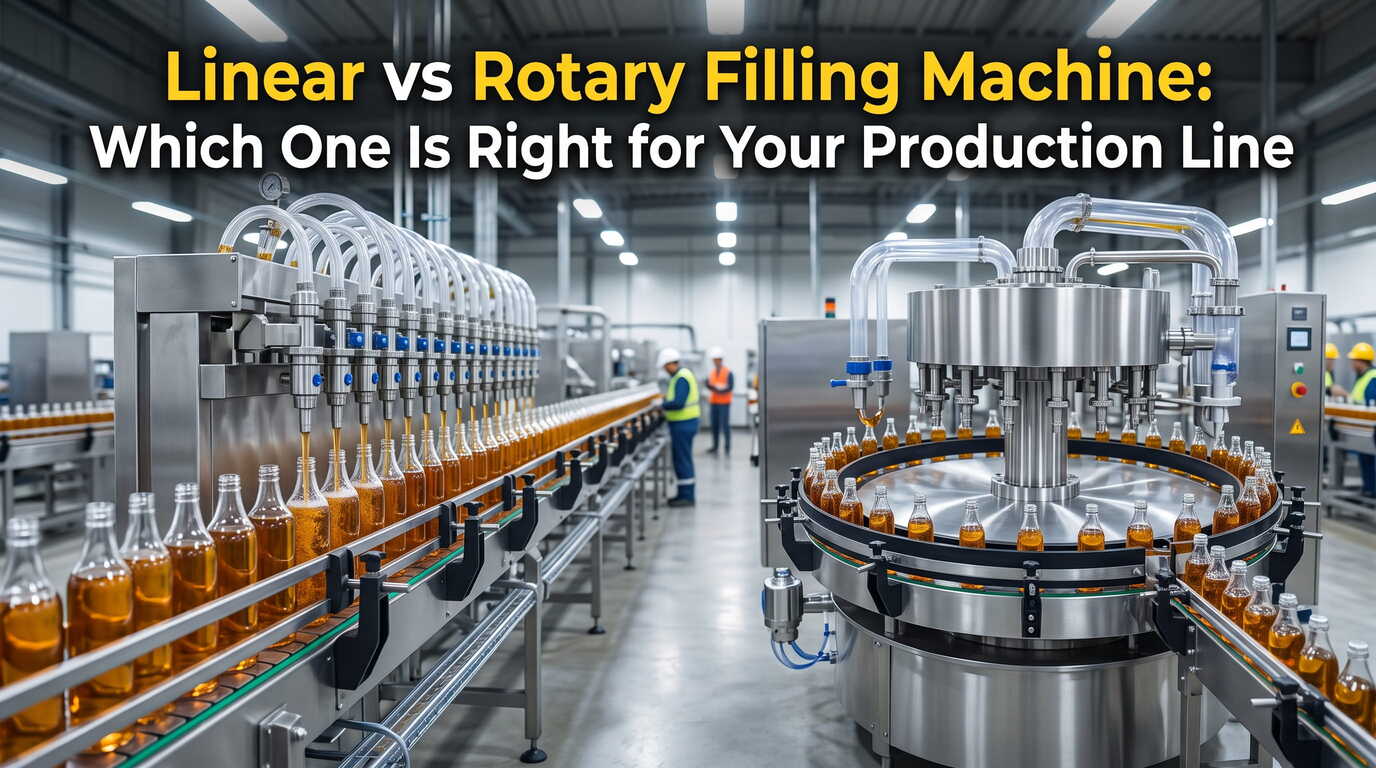
O mecanismo de envase é projetado para lidar com vários tipos e viscosidades de sucos. Isso pode incluir envase volumétrico para precisão e consistência, garantindo que cada recipiente seja preenchido com precisão, minimizando assim o desperdício.
3. Unidade de Embalagem
As máquinas de envase asséptico funcionam com diversos materiais de embalagem, como Tetra Pak, garrafas PET e latas. A escolha da embalagem depende dos requisitos do mercado e do produto específico. A unidade de embalagem também oferece a flexibilidade de escalar a produção com base na demanda sem sacrificar a qualidade.
4. Sistemas de Controle
As máquinas modernas de envase asséptico incorporam sistemas de controle sofisticados que monitoram a temperatura, a pressão e a velocidade de envase. Isso não apenas aumenta a eficiência operacional, mas também garante a conformidade com regulamentos de segurança rigorosos e padrões de qualidade.
Vantagens das Máquinas de Envase Asséptico de Sucos
Empregar a tecnologia de envase asséptico de sucos oferece inúmeros benefícios:
1. Vida Útil Estendida
Uma das vantagens mais significativas do envase asséptico de sucos é a notável vida útil que ele oferece. Ao remover microrganismos, os produtos de suco podem manter sua qualidade por um período prolongado, muitas vezes até 12 meses ou mais sem refrigeração.
2. Alta Qualidade e Integridade Nutricional
O processamento asséptico preserva o sabor natural, a cor e os nutrientes do suco. Ao contrário dos métodos tradicionais de pasteurização, que podem alterar as propriedades sensoriais do suco, o envase asséptico permite um processamento mínimo, mantendo as qualidades inerentes do produto.
3. Eficiência de Custos
Embora o investimento inicial em máquinas de envase asséptico possa ser substancial, as economias a longo prazo são significativas. Custos mais baixos de armazenamento e transporte devido à redução das necessidades de refrigeração, juntamente com uma vida útil mais longa que leva a menos desperdício, criam um retorno sobre o investimento robusto.
4. Segurança e Conformidade Aprimoradas
Os regulamentos de segurança alimentar estão mais rigorosos do que nunca, particularmente na indústria de bebidas. Os processos de envase asséptico atendem aos mais altos padrões de segurança, garantindo que os produtos sejam seguros para consumo. Essa conformidade aumenta a reputação da marca e a confiança do consumidor.
Considerações Operacionais para o Envase Asséptico de Sucos
Para maximizar os benefícios das máquinas de envase asséptico de sucos, os operadores devem seguir várias práticas recomendadas operacionais:
1. Manutenção Regular
A manutenção de rotina da máquina de envase asséptico é crucial. Isso inclui a limpeza e esterilização de todos os componentes, incluindo bicos de envase e esteiras transportadoras, para evitar qualquer possibilidade de contaminação. Uma máquina bem mantida opera com mais eficiência e tem uma vida útil mais longa.
2. Treinamento Contínuo para o Pessoal
O treinamento da equipe é vital. Os operadores devem entender as complexidades da máquina, o processo asséptico e a importância de monitorar os parâmetros para garantir o desempenho ideal. Atualizações regulares de treinamento manterão a equipe proficiente e ciente das melhores práticas.
3. Medidas de Controle de Qualidade
Implementar medidas rigorosas de controle de qualidade é essencial. Testes regulares de produtos para análise microbiana, sabor e viscosidade garantem que os produtos finais atendam aos padrões de qualidade e às expectativas do consumidor.
4. Adaptação às Tendências de Mercado
Com as mudanças nas preferências dos consumidores por produtos mais saudáveis, orgânicos e naturais, os fabricantes de sucos devem adaptar seus produtos e processos. A tecnologia asséptica permite ajustes rápidos nas linhas de produção para atender a novas tendências sem tempo de inatividade significativo.
Tendências Futuras em Máquinas de Envase Asséptico de Sucos
A indústria de envase asséptico de sucos está pronta para crescer, graças a várias tendências emergentes:
1. Integração de Tecnologia Inteligente
A incorporação da tecnologia de Internet das Coisas (IoT) fornece análise de dados em tempo real, manutenção preditiva e maior eficiência operacional. Máquinas inteligentes permitirão que os fabricantes antecipem problemas antes que eles aumentem, reduzindo o tempo de inatividade e garantindo uma qualidade consistente.
2. Práticas de Sustentabilidade
A demanda do consumidor por práticas sustentáveis está aumentando. As máquinas de envase asséptico de sucos podem se adaptar a soluções de embalagem ecológicas que minimizam o impacto ambiental, como o uso de materiais recicláveis ou a redução de embalagens desnecessárias.
3. Personalização e Versatilidade
À medida que os consumidores buscam cada vez mais produtos personalizados, os fabricantes devem produzir pequenos lotes de sabores únicos com eficiência. As máquinas de envase asséptico estão se tornando mais versáteis, capazes de lidar com várias formulações de suco sem trocas complexas.
4. Foco em Saúde e Bem-Estar
A tendência em direção à saúde e bem-estar continuará a influenciar o desenvolvimento de produtos. A tecnologia de envase asséptico pode processar eficientemente sucos funcionais, enriquecidos com vitaminas ou suplementos, atendendo aos consumidores preocupados com a saúde.
Conclusão
A máquina de envase asséptico de sucos está na vanguarda da indústria de bebidas, oferecendo soluções vitais para preservação da qualidade, segurança e eficiência na produção. À medida que as tendências evoluem e as demandas dos consumidores mudam, essas máquinas permanecerão um elemento indispensável no cenário de fabricação de sucos. Ao entender sua funcionalidade e benefícios, os produtores podem aproveitar todo o seu potencial para maximizar a produção e entregar produtos de suco excepcionais que se alinham às expectativas do mercado.
Em uma indústria competitiva que prioriza saúde, segurança e sustentabilidade, dominar o uso de máquinas de envase asséptico de sucos é essencial para qualquer fabricante de sucos que almeje o sucesso no mercado atual. Garantir que suas operações estejam otimizadas para esses aspectos levará a um crescimento duradouro e à satisfação do cliente.